Finding the right drug and alcohol rehab program can feel overwhelming, especially when navigating insurance coverage. If you have Blue Cross Blue Shield (BCBS) in Houston, Texas, understanding your benefits and how they apply to addiction treatment is crucial. This guide will walk you through the process, helping you find in-network rehab options, understand your out-of-pocket costs, and advocate for your coverage.
How Blue Cross Blue Shield Covers Addiction Treatment in Texas
Blue Cross Blue Shield of Texas generally offers coverage for substance use disorder (SUD) treatment, but the specifics depend on your individual plan. The level of coverage varies based on factors like your plan type (HMO, PPO, EPO), deductible, copay, and whether you choose an in-network or out-of-network provider.
In-Network vs. Out-of-Network
- In-Network: These providers have contracted with BCBS to offer services at a negotiated rate. Choosing in-network facilities typically results in lower out-of-pocket costs, as you'll only be responsible for your copay, deductible, and coinsurance (if applicable).
- Out-of-Network: These providers do not have a contract with BCBS. While you can still receive treatment from them, your out-of-pocket costs will likely be significantly higher. BCBS may pay a smaller percentage of the bill, and you may be responsible for the difference between the provider's charge and the amount BCBS approves.
For the most affordable and predictable costs, prioritizing in-network rehabs is highly recommended.
Covered Levels of Addiction Treatment with Blue Cross Blue Shield
BCBS typically covers a range of treatment levels, depending on medical necessity and your plan's specifics. These levels include:
- Detoxification (Detox): This medically supervised process helps you safely withdraw from substances. BCBS often covers detox, particularly if it's deemed medically necessary to prevent severe withdrawal symptoms.
- Residential Treatment (Inpatient Rehab): This involves living at the treatment facility while receiving intensive therapy, counseling, and support. Coverage for residential treatment varies widely. BCBS often requires pre-authorization and may limit the length of stay based on medical necessity.
- Partial Hospitalization Program (PHP): PHP offers structured treatment for several hours per day, several days per week, while you live at home or in a sober living environment. BCBS often covers PHP as a step-down from residential treatment or as an alternative to inpatient care.
- Intensive Outpatient Program (IOP): IOP provides a less intensive level of care than PHP, with sessions typically held several times a week. BCBS coverage for IOP is common, particularly for individuals who don't require the intensity of residential or PHP treatment.
- Outpatient Therapy: This involves regular counseling sessions with a therapist or counselor. BCBS generally covers outpatient therapy, with copays typically applying.
Verifying Your Blue Cross Blue Shield Benefits
Before starting any treatment program, it's essential to verify your BCBS benefits. This will help you understand your coverage details and potential out-of-pocket costs.
The easiest way to verify your benefits is to call the number on the back of your BCBS insurance card. When you call, be prepared to ask the following questions:
- What is my deductible for substance use disorder treatment? Has it been met?
- What is my copay or coinsurance for each level of care (detox, residential, PHP, IOP, outpatient)?
- Do I need pre-authorization for any level of care?
- Are there any limitations on the length of stay or number of sessions covered?
- Is the treatment center I'm considering in-network with my plan?
- What is the process for appealing a denied claim?
You can also try to verify benefits online through the BCBS website or app, but calling is generally more reliable for getting detailed information.
Typical Out-of-Pocket Costs with Blue Cross Blue Shield
Your out-of-pocket costs for addiction treatment with BCBS will depend on your plan. Common costs include:
- Deductible: The amount you must pay before your insurance starts covering services.
- Copay: A fixed amount you pay for each service, such as a therapy session or doctor's visit.
- Coinsurance: A percentage of the cost of services that you pay after you've met your deductible.
- Out-of-Pocket Maximum: The maximum amount you'll pay for covered healthcare services in a plan year. Once you reach this limit, BCBS pays 100% of covered services.
For example, if your plan has a $1,000 deductible and a 20% coinsurance, you'll need to pay $1,000 before coinsurance kicks in. Then, you'll pay 20% of the remaining cost of your treatment until you reach your out-of-pocket maximum.
Questions to Ask Treatment Centers About Blue Cross Blue Shield Billing
When you contact a treatment center, ask these questions about their billing process with BCBS:
- Are you in-network with Blue Cross Blue Shield of Texas?
- Do you have experience billing BCBS for addiction treatment services?
- Will you verify my benefits with BCBS before I start treatment?
- Can you provide a detailed estimate of my potential out-of-pocket costs?
- Do you offer payment plans or financial assistance?
- What is your process for appealing denied claims?
Houston Treatment Centers In-Network with Blue Cross Blue Shield
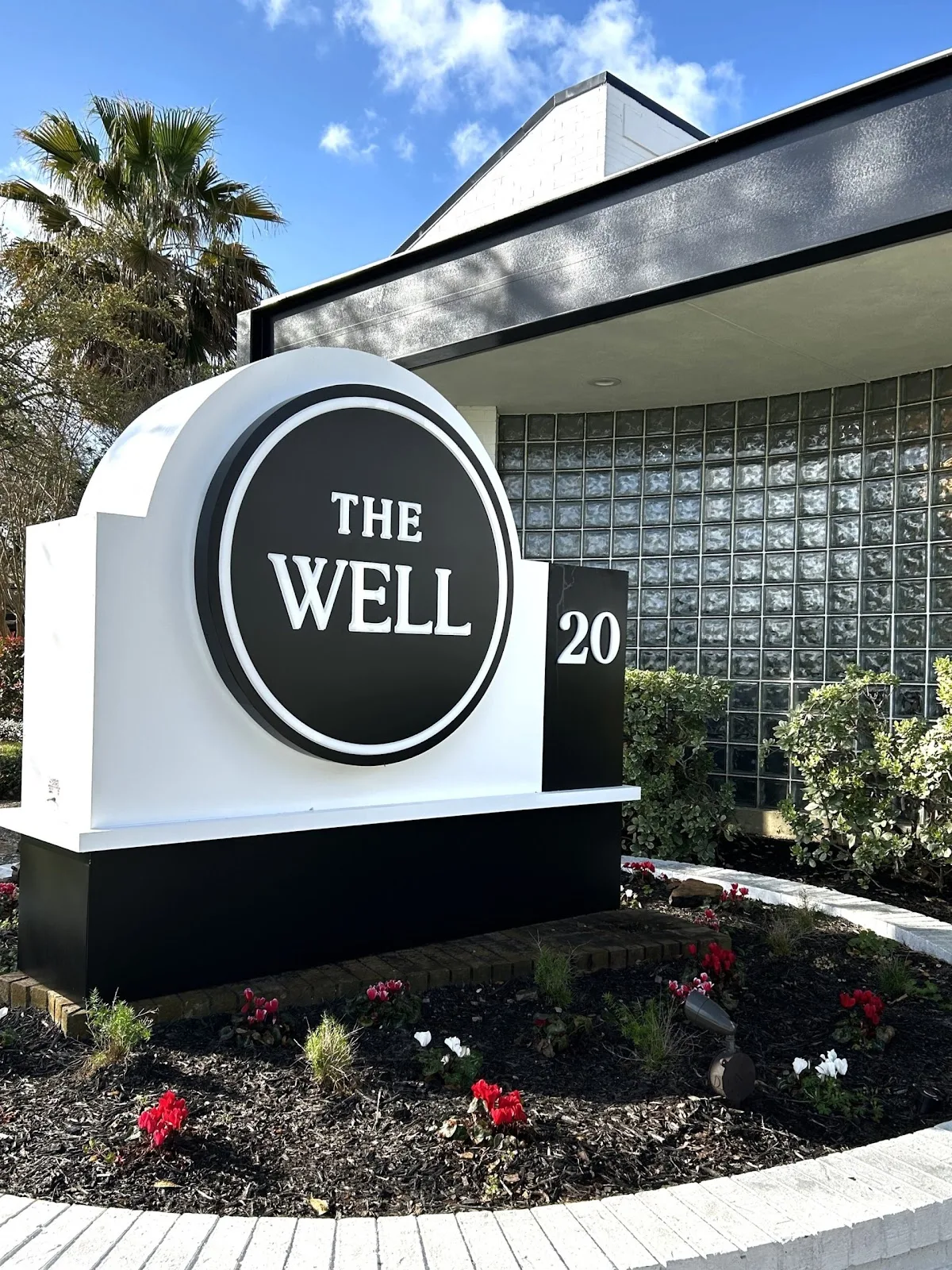
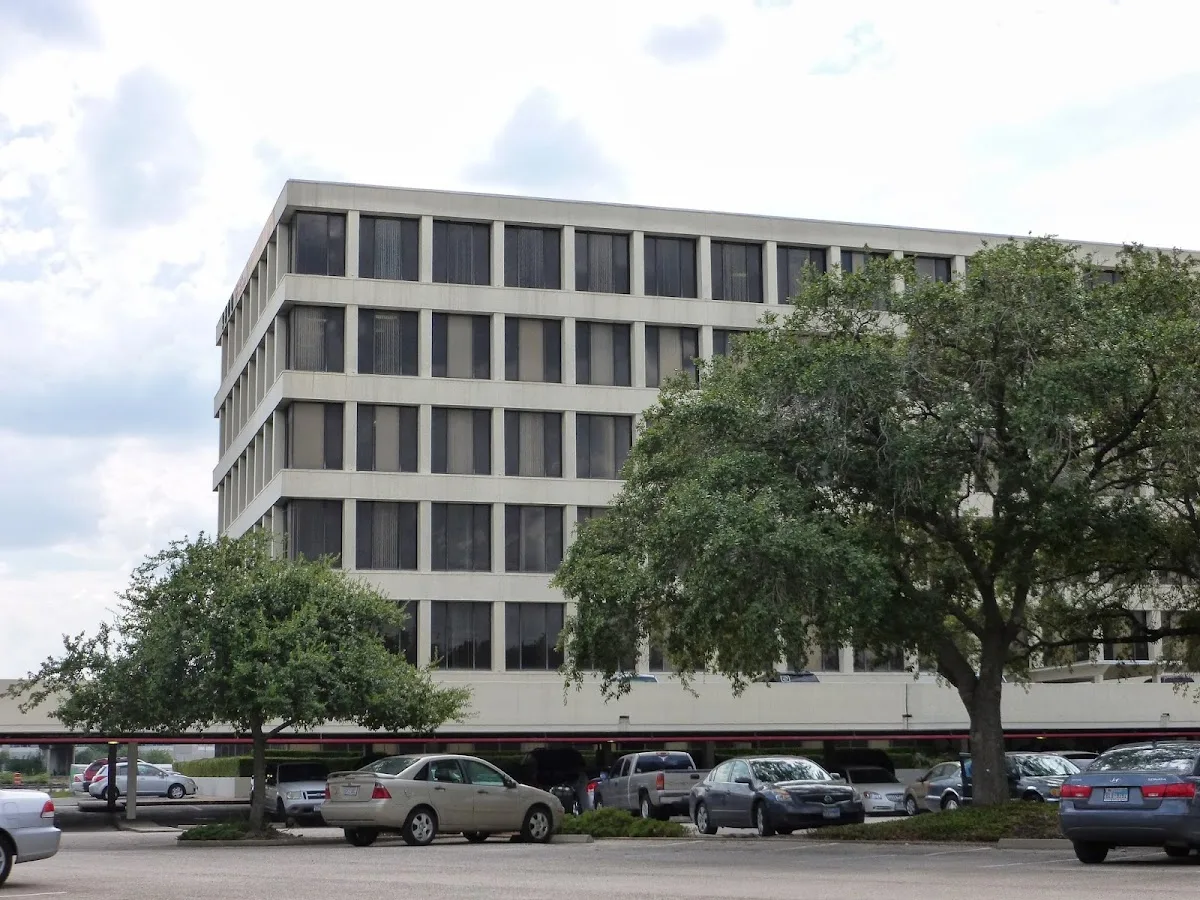
Identifying specific in-network treatment centers can be tricky, as provider networks can change. However, some well-known facilities in the Houston area that often contract with BCBS include:
- The Council on Recovery: Offers a range of outpatient services, including IOP and individual therapy.
- Memorial Hermann Prevention and Recovery Center (PaRC): Provides detox, residential, and outpatient treatment programs.
- UTHealth Harris County Psychiatric Center: Offers comprehensive mental health and addiction treatment services.
Important: Always verify directly with both the treatment center and BCBS that the facility is in-network with your specific plan before starting treatment. Do not rely solely on online directories, as they may not be up-to-date.
Mental Health Parity Laws and Your Blue Cross Blue Shield Coverage
The Mental Health Parity and Addiction Equity Act (MHPAEA) is a federal law that requires health insurance plans to provide the same level of coverage for mental health and substance use disorder services as they do for medical and surgical services. This means BCBS cannot impose stricter limits on addiction treatment than they do for other medical conditions.
This parity law helps ensure that you have access to the addiction treatment you need without facing discriminatory limitations or higher costs.
What to Do If Blue Cross Blue Shield Denies Your Claim
If BCBS denies your claim for addiction treatment, don't give up. You have the right to appeal the decision.
- Understand the Reason for Denial: Review the explanation of benefits (EOB) you received from BCBS to understand why your claim was denied.
- Gather Supporting Documentation: Obtain letters from your doctor or treatment provider explaining the medical necessity of the treatment.
- File an Appeal: Follow the instructions on your EOB to file an appeal with BCBS. Be sure to include all supporting documentation.
- Seek External Review: If BCBS denies your appeal, you may be able to request an external review from an independent third party.
- Contact the Texas Department of Insurance: You can file a complaint with the Texas Department of Insurance if you believe BCBS has violated your rights.
Remember, you are not alone in this process. There are resources available to help you navigate the appeals process and advocate for your coverage. Consider contacting a patient advocacy organization or legal aid society for assistance.
Navigating insurance for addiction treatment can be complex, but with careful planning and proactive communication, you can access the care you need while managing your costs. Don't hesitate to reach out to Blue Cross Blue Shield, treatment centers, and advocacy organizations for support.
More Recovery Resources in Houston
Sober Network is a directory, not an intake form. Explore local facilities and contact providers directly.